


Latest news
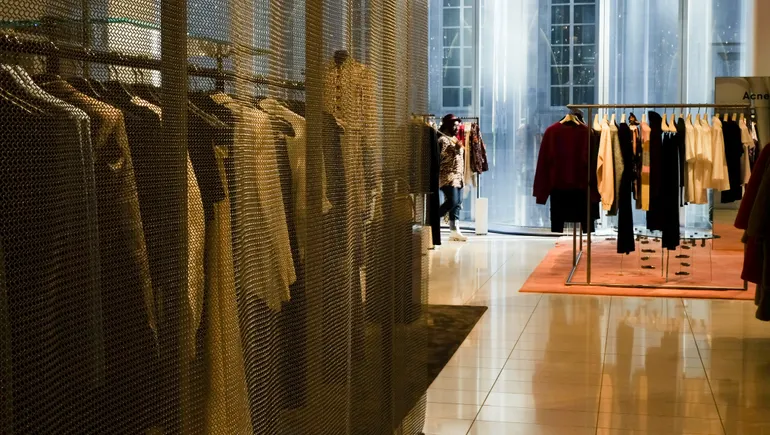
Latest data shows that nearly a quarter of American households use GLP-1 weight-loss drugs, driving changes in consumption of apparel, footwear, and more. However, experts point out that retailers need to address the planning challenges posed by 'size fluctuations' and seize cross-category opportunities, rather than simply adjusting sizes.

Athleisure brands and traditional apparel brands are increasingly penetrating each other, with category expansion serving as a growth engine. However, shifts in consumer demand and adherence to brand core values determine the direction of competition in this "middle ground."

The National Retail Federation forecasts retail sales growth of 4.4% this year, but the K-shaped economic framework cannot fully explain consumer resilience. Katie Thomas, head of the Kearney Consumer Institute, shares new findings on this framework, analyzing shifts in consumer spending behavior and the challenges facing 2026.
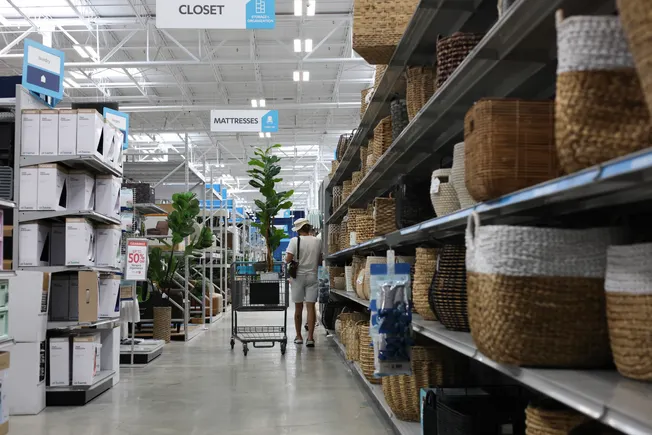
In 2026, the home furnishings retail industry will continue to face multiple pressures from weak demand, a sluggish property market, and tariff policy uncertainty. Industry divergence will intensify, with the weak potentially exiting the market while the strong seek growth through value positioning and supply chain adjustments.
Although Walmart and Target are often discussed together, they have always had significant differences in product assortment, brand positioning, and pricing strategies. With both companies completing CEO transitions in early February, their performance challenges are starkly different: Target urgently needs to reverse declining sales, while Walmart seeks to sustain growth in the AI era. In the latest podcast episode, Retail Dive reporters break down the similarities and differences between the two giants.
After completing its $2.7 billion acquisition of Neiman Marcus in December 2024, Saks Global immediately fell into a vicious cycle of difficulty paying suppliers, inventory shortages, and declining sales. On January 14, 2025, the company formally filed for Chapter 11 bankruptcy. In this episode of The Backroom podcast, Retail Dive reporters Dani James and Daphne Howland share their on-the-ground observations of Saks Fifth Avenue's Manhattan flagship store and discuss with Debtwire analysts Sarah Foss and Tim Hynes the possible directions of the bankruptcy and its broader implications for the retail industry.
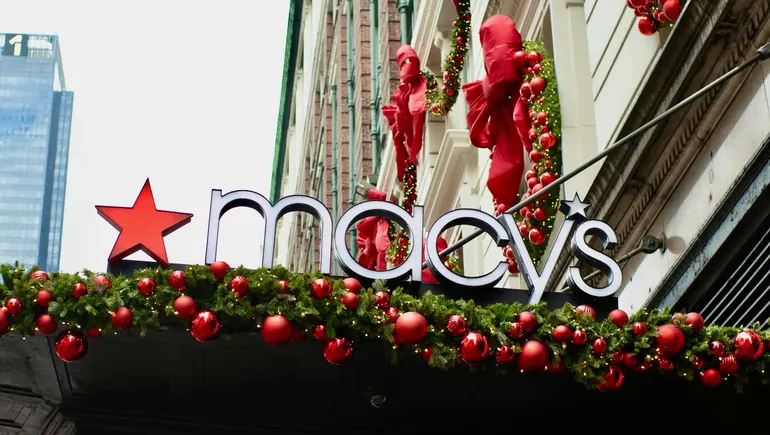
The department store industry is experiencing sustained contraction: Saks Global filed for bankruptcy in mid-January, Macy's announced the closure of 14 more stores and plans to eventually close 150 stores, and Dillard's also had store closures this month. Green Street data shows that the decline of the department store model over the past 15 years has led to the closure of at least 175 shopping malls. However, analysts note that the industry is showing divergence—Dillard's and Nordstrom are performing steadily, Macy's transformation is showing initial results, while Kohl's and Belk still face challenges. Despite the still-large revenue scale, the overall industry contraction trend is expected to continue for several years.
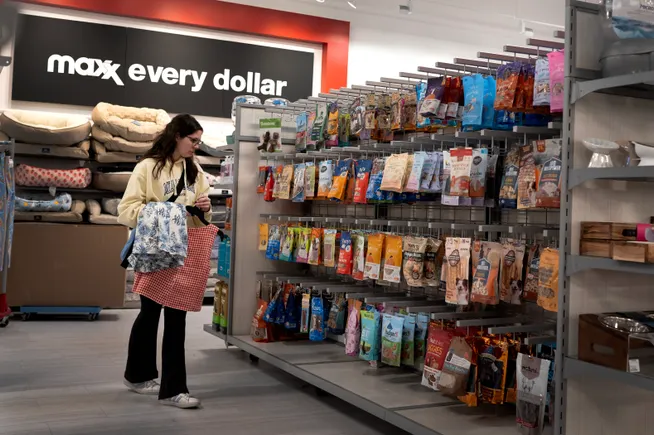
In 2026, the retail industry will continue the tariff turmoil and generative AI investment boom of 2025, while also facing economic uncertainty. Industry forecasts indicate that merger and acquisition deals will decrease in number but increase in individual value, AI applications will accelerate but with greater pressure on returns, consumers will continue to seek value, malls will enter a redevelopment phase, pricing transparency regulations will increase, and competition over delivery speed will intensify.
The upheaval and uncertainty of 2025 seem set to continue into 2026. For retailers directly connected to consumers, challenges at the economic, technological, and even social levels can be daunting. Take artificial intelligence, for example: American consumers have complex attitudes toward AI and overwhelmingly support regulation; meanwhile, research shows that AI's business impact is not yet clear. Industry consultant Doug Stephens and veteran journalist Daphne Howland, in this podcast episode, center on trust to explore what retailers and brands should consider in AI and other decisions that could shape the future of retail and beyond.
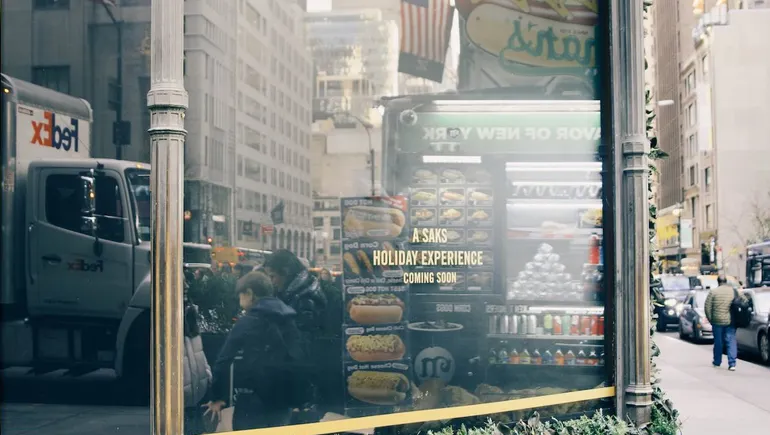
Since acquiring Neiman Marcus for $2.7 billion late last year, Saks Global has been in distress for most of 2025. The company's sales have fallen short of expectations, it carries $4.7 billion in debt, supplier payments are delayed, and executives have been departing. Despite the CEO's insistence that the transformation is progressing well, several analysts and restructuring experts hold a pessimistic outlook, considering the fourth quarter performance crucial, with some even predicting bankruptcy is inevitable.