


Latest news
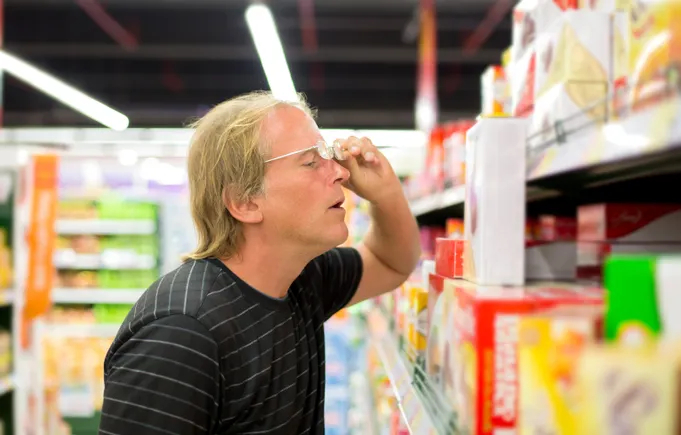
The uncertainty of tariff policies has made retail pricing exceptionally complex. Retailers must weigh rising costs against consumer price sensitivity while avoiding being perceived as "price gougers." Giants like Walmart choose to absorb costs to maintain low prices, while technologies such as AI pricing systems are becoming coping tools. Experts suggest alleviating pressure through communication, adjusting product assortments, and exploring private labels, but holiday season prices are expected to rise noticeably.

During Trump's second term, frequent changes in new tariff policies targeting multiple countries have posed ongoing challenges for consumers and the retail industry. In this podcast episode, Supply Chain Dive senior editor Phil Neuffer shares how his team tracks and verifies tariff developments, along with key points of the current trade landscape.
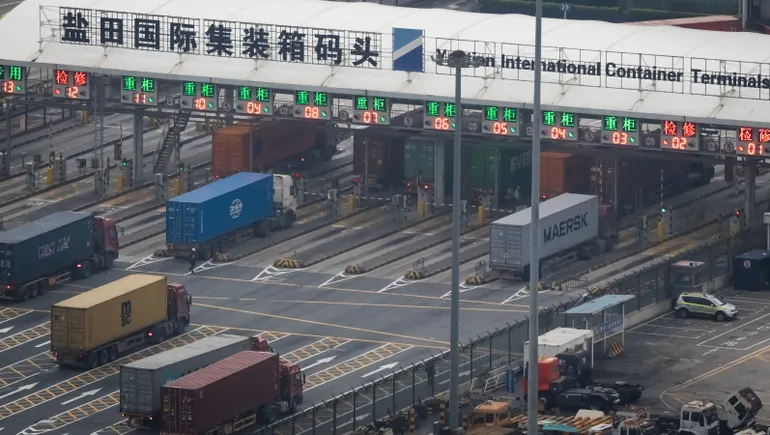
The White House announced on April 4 that, starting May 2, goods from China and Hong Kong will no longer be eligible for the 'de minimis' duty exemption. This move will affect cross-border e-commerce platforms such as Shein and Temu that rely on duty-free small parcels, making supply chain shifts, rising costs, and consumer price pressure key industry concerns.
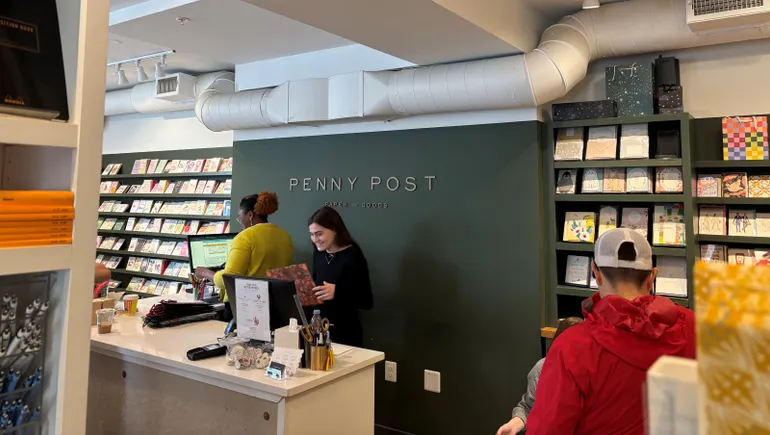
Despite digitalization sweeping through life, physical stationery such as pens and paper still has loyal followers. Large chains like Papyrus and Paper Source have experienced store closures or bankruptcy, but independent retailers thrive through personalization, community engagement, and unique product selection. Stationery quality from countries like Japan and Germany is highly esteemed, while U.S. domestic manufacturing faces challenges. Recent tariff policies may drive up costs, but industry practitioners remain optimistic about the future of this niche market.
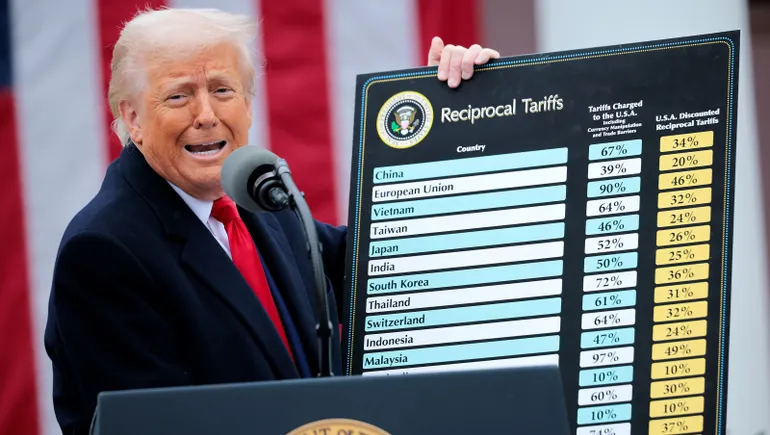
US President Trump announced comprehensive tariff adjustments, including a 10% universal baseline tariff and higher rates targeting major trading partners. As an industry heavily reliant on global supply chains, the apparel sector faces challenges such as rising costs and supply disruptions. Organizations including the American Apparel & Footwear Association and ThredUp, along with multiple analysts, have expressed views that tariffs will push up prices, affect consumption, and potentially accelerate supply chain restructuring.
In this episode of The Backroom, Liza Amlani and the host discuss the value, challenges, and strategies of wholesale in the post-DTC era, sharing insights from her work with brands like Ralph Lauren on building profitable wholesale plans.
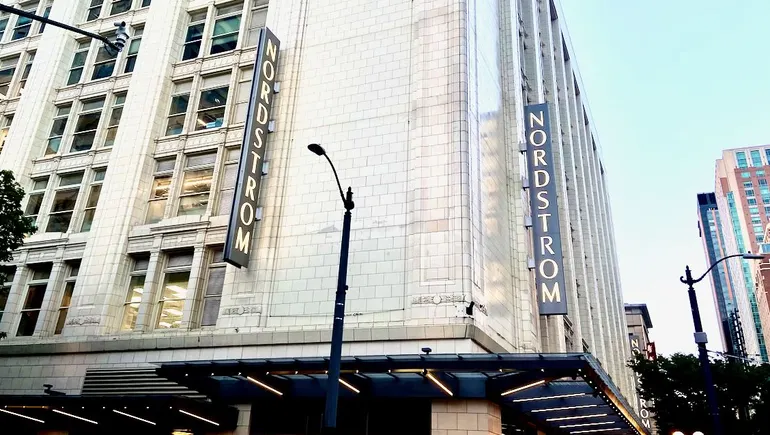
Since acquiring Neiman Marcus, Saks Global has faced strained relations with the Dallas city government, suppliers, and customers, potentially leading to market share loss. Nordstrom, leveraging its store scale, merchandising strategy, and customer service strengths, emerges as a potential beneficiary.
In the latest episode of The Backroom podcast, Retail Dive senior journalist Daphne Howland interviews actor and playwright Ken Harris. Harris's one-man show 'The Minimum Wage Security Guard's Rival' is based on his real-life retail loss prevention work and will premiere at the United Solo Theater Festival in New York City on March 26. The episode also discusses ongoing challenges of retail shrinkage and theft, with links to related industry reports.

Despite ongoing opposition and legal challenges to DEI in the United States, most companies have not abandoned their related commitments. Experts point out that under risk and compliance pressures, companies are taking this opportunity to clarify the meaning of DEI and deeply integrate it with long-term business strategies, potentially ushering in a more pragmatic and sustainable development phase.
According to the latest report from Coresight Research, the number of U.S. retail store closures in 2025 is expected to far surpass new store openings, with planned closures as of January 17 already up more than 330% compared to the same period last year. Does this mean the retail industry will face another 'retail apocalypse'? This podcast episode will delve into the industry trends behind store closures and how existing stores can respond.