


Latest news

In the latest episode of The Backroom podcast, retail industry expert Doug Stephens talks with Retail Dive senior journalist Daphne Howland, analyzing the reality of the AI boom, retailers' social responsibilities, and reasons for long-term optimism amid uncertainties like tariffs.
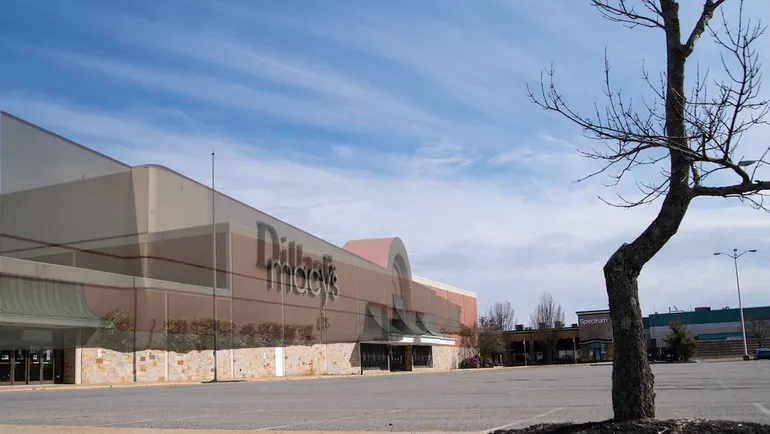
Investment firms Barington Capital and Thor Equities recently advised Macy's to adopt the capital allocation strategy of its peer Dillard's to enhance shareholder value. However, retail experts note that significant differences in operational models, family control, and store performance make a simple comparison inappropriate. Macy's transformation plan has shown initial results, but it needs to find a balance between capital expenditure and store optimization.
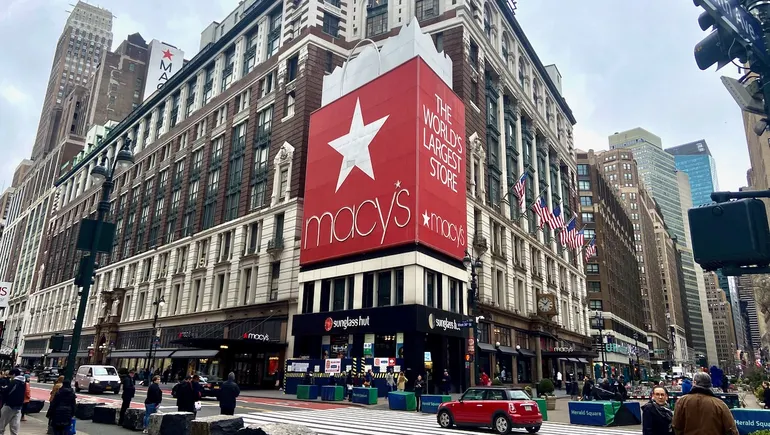
Nordstrom and Macy’s abandoned the ‘retail inventory method’ after using it for decades. Here’s why.
Several major U.S. retailers have long used the Retail Inventory Method (RIM) to estimate inventory, but this method relies on price changes and can distort operating metrics. Macy's and Nordstrom have shifted to cost accounting methods to improve data accuracy and decision-making efficiency.
Amazon recently launched a low-cost shopping platform called 'Amazon Haul,' directly competing with ultra-low-cost Chinese e-commerce sites like Temu and Shein. In this episode of The Backroom podcast, e-commerce technology entrepreneur Rick Watson joins Retail Dive senior reporter Daphne Howland to analyze the strategic intent behind this move and the situation of Walmart and Target amid current retail difficulties.
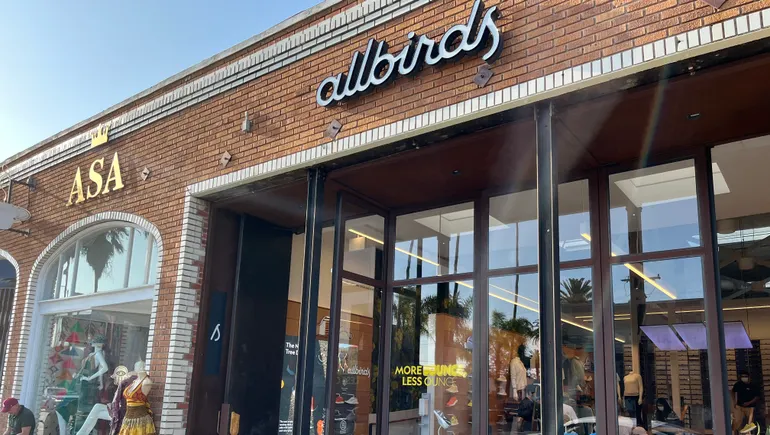
In 2019, DTC brands like Casper, Away, and Glossier were thriving with valuations exceeding $1 billion, but just a few years later, Casper was taken private through acquisition, Allbirds closed stores and shifted to a distribution model, and Outdoor Voices shut down its stores. Simeon Siegel, Managing Director at BMO Capital Markets, noted that brands ultimately found they couldn't truly eliminate the middleman—they just became the middleman themselves. Neil Saunders, Managing Director at GlobalData, believes that DTC and wholesale are not opposites, and a hybrid model is the future.
Halloween is evolving from a mere holiday into a significant commercial opportunity for the retail industry. The National Retail Federation predicts Halloween spending will reach $11.6 billion this year, with nearly half of consumers starting their shopping before October. Spirit Halloween has set a new record with 1,525 stores and is attempting to replicate its seasonal model for the Christmas season.
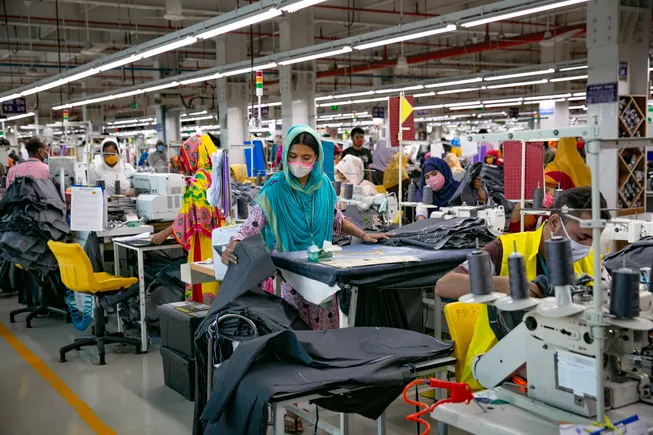
Faced with chronic issues such as overproduction, human rights violations, and unethical sourcing, the fashion industry's need for supply chain transparency is becoming more urgent. Supplier scorecards, with their advantages of standardization, low cost, and ease of analysis, have become an important tool for brands to gain visibility. Companies such as Patagonia, Brooks Running, and Estée Lauder have shared their experiences in metric selection, implementation communication, and bridging data gaps.

As traditional paper coupon channels decline, online coupon communities and influencer-led extreme couponing trends are on the rise. In the latest podcast episode, Retail Dive reporter Xanayra Marin-Lopez and senior reporter Daphne Howland analyze the latest evolution of coupon usage and its dual significance for both consumers and retailers.

Since Tractor Supply adjusted its DEI policy in June 2024, companies such as Lowe's and Harley Davidson have followed suit, raising concerns about the future of DEI. However, a Conference Board survey shows that 63% of nearly 200 chief human resources officers plan to strengthen workforce diversity in 2024, and about 90% of surveyed companies still maintain their DEI commitments. Experts point out that most companies respond to pressure by adjusting their wording rather than abandoning substance, and that DEI is closely linked to legal compliance, talent attraction, and financial performance.