
Latest news
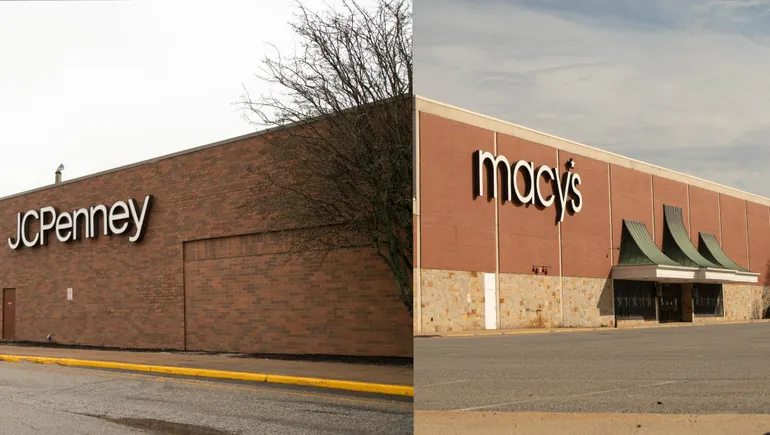
Macy's and J.C. Penney, as two major representatives of the U.S. department store industry, show clear divergence in their physical store strategies. Macy's plans to close 150 more stores over the next three years and accelerate the opening of smaller stores; J.C. Penney, on the other hand, maintains its shopping mall anchor position, with its landlord shareholders indicating no expectation of large-scale store closures. Analysis suggests that their ownership structures—Macy's being a publicly listed company and J.C. Penney being held by shopping mall REITs—are key to the strategic differences.

Macy's announced the closure of 150 additional stores, sparking industry discussions about the future of traditional department stores. This article reviews its historical expansion and current contraction, analyzing store closure criteria and transformation challenges under investor pressure.

Golf is undergoing a cultural renaissance: participation surpassed 40 million for the first time in 2022 and has continued to grow, with 2024 reports showing that Asian, Black, and Hispanic golfers account for 23% of players. Younger participants (ages 6 to 34, nearly half) are driving apparel brands to blend performance with street style. From Under Armour's functional designs to Eastside Golf's collaboration with Jordan, and Tiger Woods' Sun Day Red, golf fashion is breaking beyond the course to become part of the mainstream lifestyle.
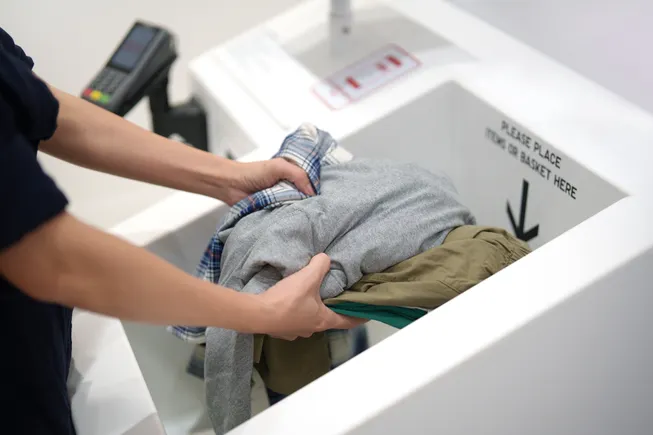
In recent years, due to factors such as operational adjustments, recruitment difficulties, and cost reduction, the number of employees in some retail stores has significantly decreased. However, experts warn that excessive workforce reduction may harm customer experience and employee morale, ultimately affecting sales. Although technology applications can improve efficiency, they cannot fully replace manual services. A reasonable balance between technology and human investment is the right path for the sustainable development of the retail industry.
Organized retail crime (ORC) lacks a unified definition among the retail industry, law enforcement agencies, and researchers, making its scale difficult to accurately assess. Industry surveys and legislative citations often conflate concepts, and experts call for establishing industry-recognized terminology and improving inventory visibility.
Social media drives public opinion and high consumer expectations, leaving retailers facing backlash on both marketing and policy fronts. NYU Stern professor Alison Taylor, author of the new book 'Higher Ground,' joins veteran journalist Daphne Howland on the podcast to explore the real-world challenges retailers face on issues such as diversity, sustainability, and unionization.
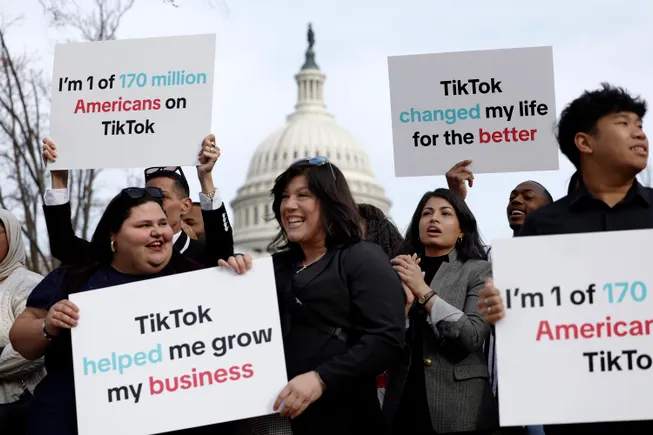
The U.S. House of Representatives passed the Protecting Americans from Foreign Adversary Controlled Applications Act by a vote of 352-65, requiring TikTok to divest within 165 days or face a ban. Compared to 2020, this ban attempt appears more severe due to congressional support, presidential statements, and a broader social context. Marketing experts advise brands to prepare contingency plans in advance, with budgets potentially shifting to Instagram Reels and YouTube Shorts.
In this episode of The Backroom podcast, Retail Dive's senior editors and reporters share how they investigated data on retail shrink and organized retail crime, exposing errors in the NRF report and pushing the industry toward more accurate data.
Over the past year, the DTC industry faced multiple challenges including slowing funding, layoffs, and consumer spending cuts, with several companies going bankrupt or holding IPOs. In 2024, brands will place greater emphasis on profitability, with DTC shifting from a core model to one of several channels. Industry trends include wholesale balance and continued turbulence in the sports category.