


Latest news
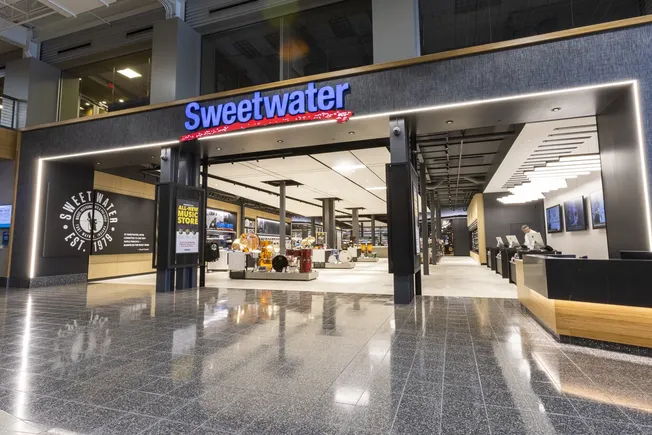
Music equipment e-commerce company Sweetwater achieved sales of $1.57 billion in 2022, a year-over-year increase of 9.5%, marking its third consecutive year exceeding $1 billion. Company President Mike Clem stated that the live streaming and podcast boom driven by the pandemic, government stimulus checks, and home creation demand fueled growth. Sweetwater insists on not expanding physical stores, focusing on consultative sales and customer service, and has newly opened a second-hand market and an Arizona distribution center.
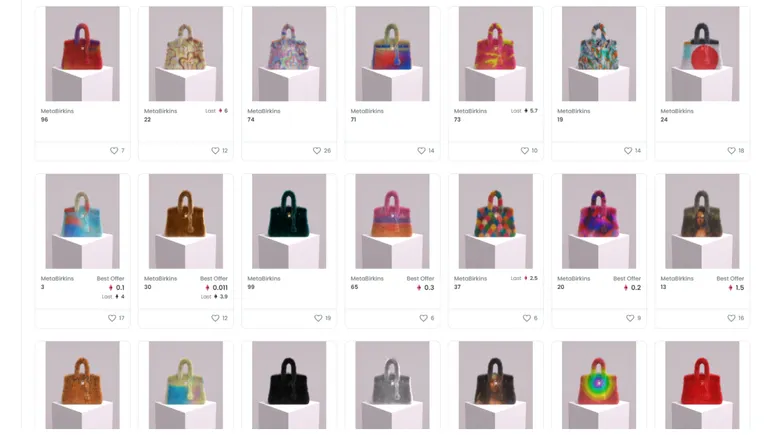
Mason Rothschild was found to have infringed Hermès' trademark rights by creating the MetaBirkin NFT collection and was ordered to pay compensation. His lawyer, Rhett Millsaps, stated that the evidence was insufficient and plans to appeal, sparking discussions about the boundaries between NFT art and trademark law.

Amid high inflation and tightened capital, DTC brands are shifting from 'growth at all costs' to prioritizing profitability. Retail Dive reporter Dani James and senior reporter Daphne Howland analyze the overall landscape of the DTC industry in 2023, the value of physical stores, and transformation pressures in this podcast episode.
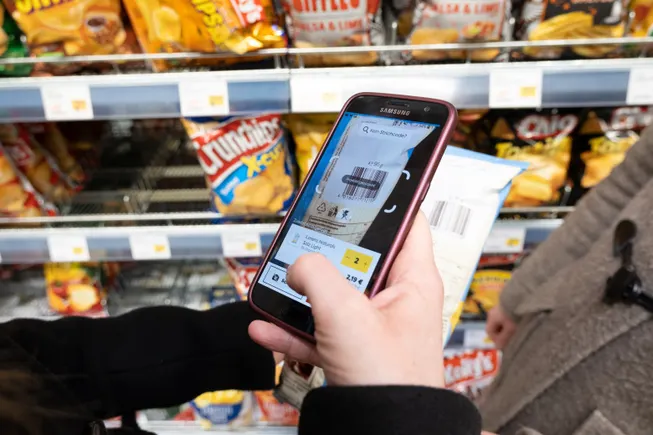
Scan-and-go technology is causing a divide in the U.S. grocery retail industry: Wegmans has halted the service due to losses, while Meijer, Hy-Vee, Walmart, and others continue to push forward. This article analyzes the loss prevention challenges, trust issues, and future direction of this technology.

After vaccines alleviated the pandemic, consumers returned to physical stores, but in 2022 retail remains plagued by inflation and supply chain issues. Consumers are prioritizing experiences over goods in discretionary spending. In this year-end conversation on The Backroom podcast, Daphne Howland and Doug Stephens analyze experiential retail, metaverse misconceptions, and a new era for Amazon.
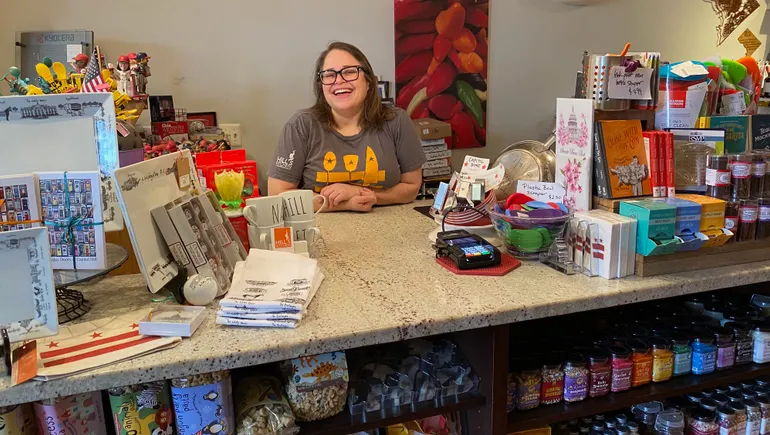
The supply chain disruptions, shifting consumption habits, and inflationary pressures triggered by the pandemic continue to impact the retail industry. Although small retailers feel the impact earlier, they are also finding ways to break through through flexible procurement, spatial advantages, and personalized services. This article, from the perspective of Leah Daniels, owner of Hill's Kitchen, a kitchenware store in Washington, D.C., analyzes the coping strategies and industry prospects of small businesses during the holiday season.
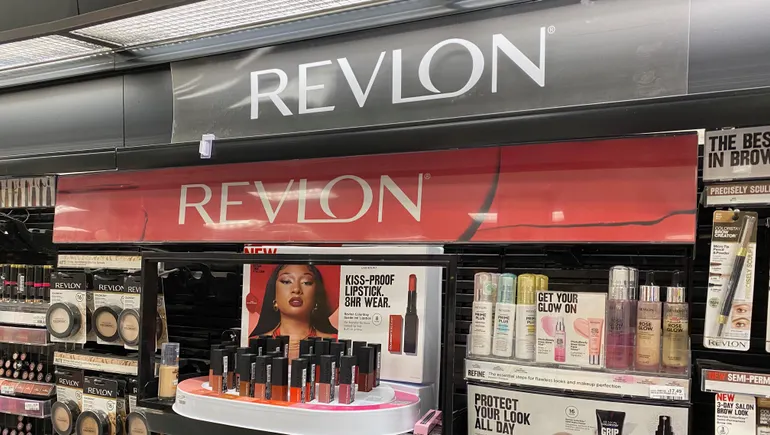
Revlon filed for Chapter 11 bankruptcy protection this summer with over $3 billion in debt, facing over $100 million in sales losses due to inventory shortages. Despite its long history and well-known brands, the pandemic, supply chain issues, and intensified competition have left it in trouble. Experts believe Revlon's brand value remains attractive, but it needs to make adjustments in technology, innovation, and strategy.
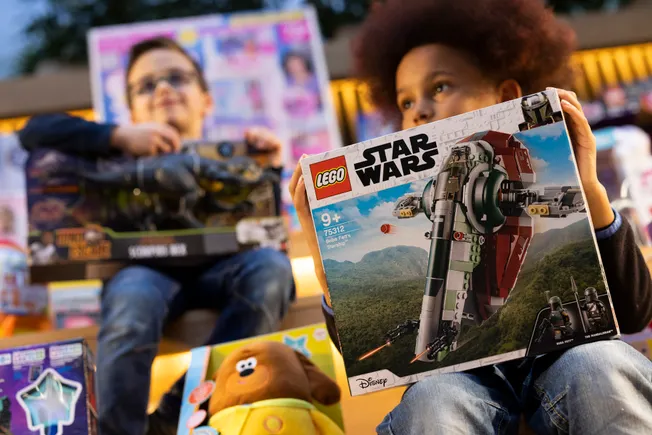
Toy retail says goodbye to 'blockbuster dependence': transformation from cinemas to a full ecosystem
In 2019, toy retailers benefited from holiday blockbusters like Frozen 2 and Star Wars: The Rise of Skywalker. The pandemic closed cinemas and delayed films, briefly disconnecting toy licensing operations. However, industry data shows that overall toy sales grew against the trend during the pandemic, with licensed toy market share reaching a near 20-year high. Now, toy companies are reducing their dependence on theatrical films by leveraging evergreen IPs, rapid manufacturing, and diversified content ecosystems, while awaiting potential boosts from new releases like Barbie.
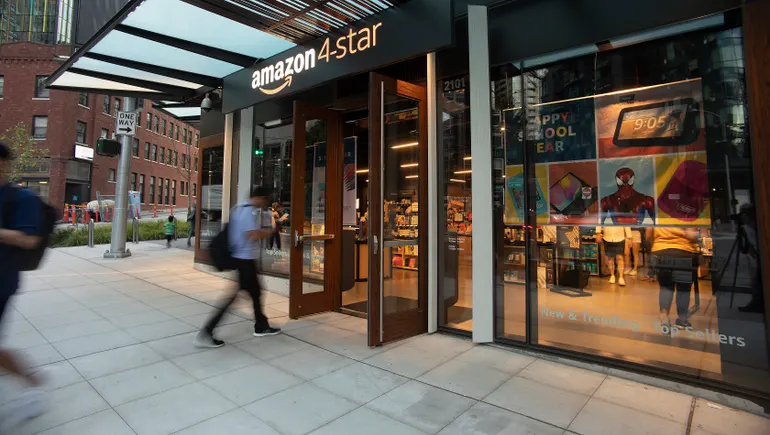
Amazon once disrupted retail with its customer-centric approach, convenient shopping, fast delivery, and low prices. But now, its market share growth has slowed, physical retail still dominates, and competitors have caught up. Under CEO Andy Jassy, Amazon is shrinking its physical stores, delaying warehouse construction, and laying off workers, while its Prime member satisfaction has declined. Experts point out that the competitive landscape of the retail world has changed, and Amazon's technological and efficiency advantages are no longer sufficient to win. Its true moat may lie in its ecosystem beyond retail, such as advertising and cloud services.