


Latest news

The 2021 holiday season performed well thanks to government relief and vaccine rollouts, but persistent inflation is squeezing household budgets, dampening discretionary spending in the second half of the year. Rising inventories, cautious consumers, and recession worries are intertwined, bringing many unknowns to the crucial fourth quarter. Senior reporter Daphne Howland and deputy editor Dani James review reports from before Black Friday to explore the industry's direction.

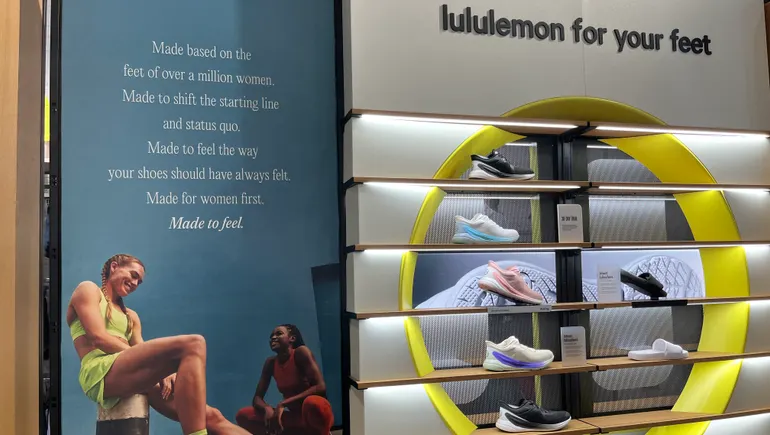
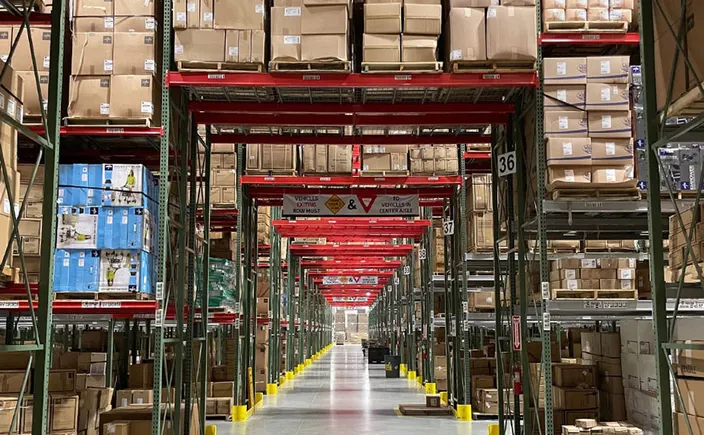
In late September, Nike announced 'decisive actions' on inventory, sparking a new wave of industry concerns. Data shows that retail inventory surged 31% year-over-year in the second quarter of 2022, while consumer demand remained weak under inflationary pressures. Despite retailers taking measures such as price cuts and order cancellations, analysts expect inventory pressure to extend into the holiday season and even 2023, with a bleak outlook for margin recovery.
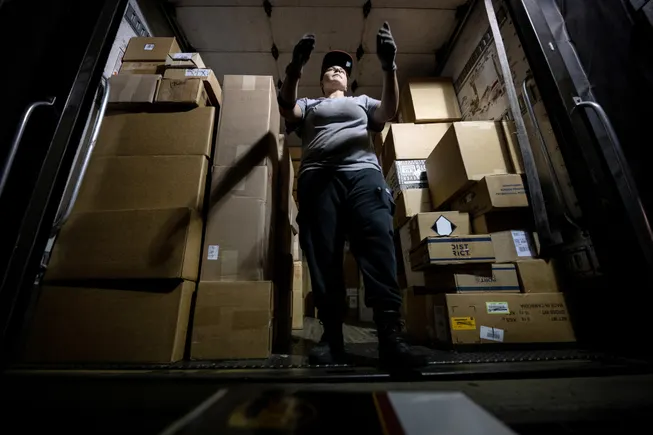
UPS and FedEx are about to raise delivery rates, with an average increase of 6.9%, but due to factors such as service type, package weight, and destination, actual cost increases may far exceed this figure. Experts advise shippers to pay attention to long-haul surcharges, remote area surcharges, and fuel surcharges, and to take advantage of the cooling demand to negotiate discounts.
Against the backdrop of persistently weak consumer spending, bankruptcy risk in the retail industry has significantly intensified. The latest episode of Retail Dive's The Backroom podcast points out that the number of retailers placed on the financial distress watchlist in 2022 has increased substantially compared to last year, reflecting a rapid reversal in industry sentiment. The program delves into how balance sheet disparities, misguided investment decisions, and patterns of prolonged losses push companies to the brink of bankruptcy, and explores the cautionary implications of these cases for the entire industry.
The failed collaboration between Gap and Ye reflects deeper problems in the brand's strategic positioning and partner selection.
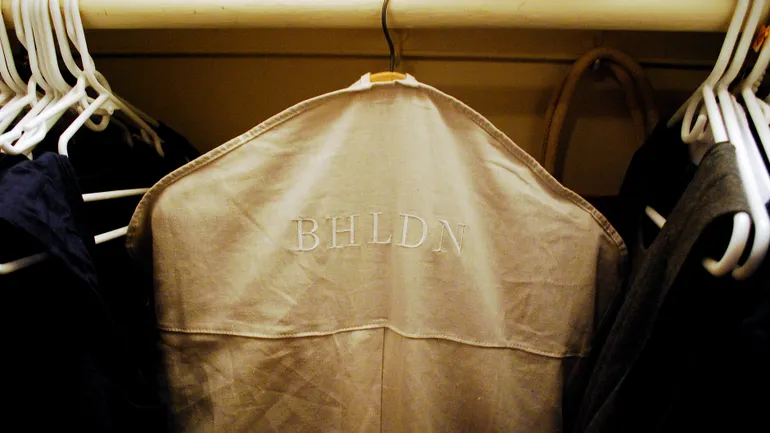
Facing the scarcity of domain names and trademarks, retail brands have adopted strategies such as omitting vowels (e.g., RTFKT, BHLDN) or altering spellings (e.g., Anthropologie) to create distinctive names. This trend stems from practical needs and also carries symbolic meanings of being 'modern and cool,' but research shows that vowel-less names may be perceived as 'rugged' yet not 'refined,' and can affect pronunciation and discoverability. Brand naming requires a balance between differentiation and consumer recognition.
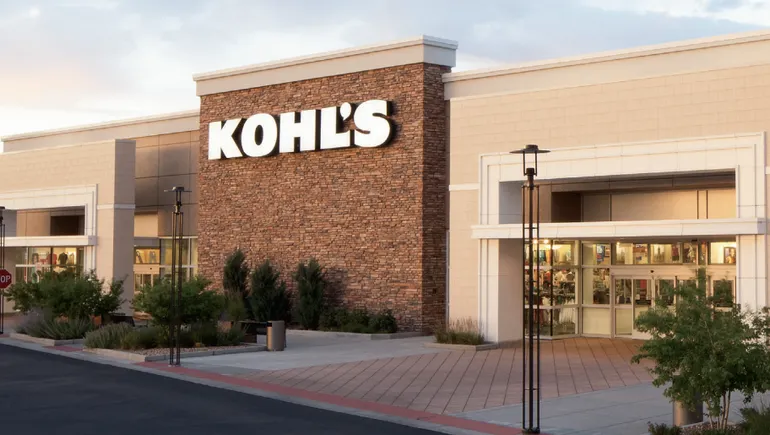
In 2022, Kohl's experienced frequent investor pressure and rejection of acquisition offers, but experts point out that its core problem lies in a lack of clear brand positioning and consumer experience, leaving the path to transformation still unclear.

The COVID-19 pandemic has fundamentally transformed the pace and form of the U.S. holiday retail season. By examining key changes from 2019 to 2022, this article analyzes how the pandemic drove trends such as early shopping, the proliferation of online consumption, supply chain challenges, and heightened price sensitivity, and looks ahead to the possible direction of future retail seasons.